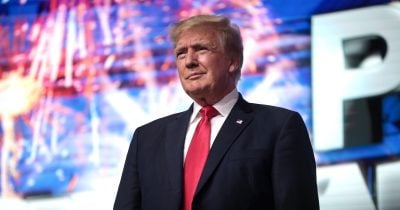
The Trump administration has announced a src5% tariff on polysilicon imports as part of its ongoing trade measures against China. This tariff is part of a broader strategy to address national security concerns related to the U.S.–China trade conflict, specifically targeting the solar and semiconductor industries. The U.S. Commerce Department initiated a Section 232 investigation in 2025, which has now culminated in these import restrictions. The action is intended to protect domestic producers and reduce dependence on Chinese supply chains. China’s previous response included anti-dumping duties on polysilicon from the U.S. and South Korea, highlighting the escalating trade tensions.
Key Takeaways
The imposition of a src5% tariff on polysilicon imports suggests a significant escalation in the U.S.–China trade conflict.
Market pricing implies that this development could decrease the likelihood of a near-term visit to the U.S. by Chinese President Xi Jinping.
The tariff appears to be aimed at strengthening U.S. solar and semiconductor industries by reducing reliance on Chinese imports.
What to Watch
Future diplomatic engagements or statements from key actors such as Xi Jinping and Donald J. Trump could influence the evolving trade dynamics. Markets will be closely monitoring any announcements regarding a potential U.S. visit by Xi Jinping, as well as any further retaliatory measures by China. Developments in trade negotiations or evidence of easing tensions could shift market perceptions and impact the likelihood of diplomatic visits.
Get live prediction-market analysis, powered by Vera. Sign up for Vera.
Disclosure: This article was edited by Estefano Gomez. For more information on how we create and review content, see our Editorial Policy.
Comments are closed