
Good morning, Wealthbuilderz fam ☕💼 — here are 10 of today’s biggest business headlines, served with what they mean for entrepreneurs 💡 and investors 📈 — plus the “Wealthbuilder Move” you should keep in mind.
1. Bond & Crypto Sell-off Rattles Global Markets

Context: A sharp sell-off in global bonds and a steep slump in crypto (Bitcoin -5.2%) shook investor confidence, leaving U.S. stock futures tepid. (Reuters)
Why it matters: Risk assets are getting hit — funding gets more cautious, valuations may reprice, and volatile exposure becomes dangerous.
Wealthbuilder Move: Lock in cash-flow stability, reduce high-risk bets, and avoid over-leveraging until volatility calms down.
2. UK Banks Surge after Capital-Rule Relief — FTSE Pops

Context: The Bank of England eased capital requirements for lenders — pushing up shares of major UK banks and lifting the FTSE 100 index about 0.4%. (Reuters)
Why it matters: Easier bank capital rules can mean more credit flow, cheaper borrowing and potential M&A or expansion — good for growth plays and business financing.
Wealthbuilder Move: If you’re UK-based or financing internationally, this could be a good window to pursue loans or expansion plans before conditions tighten again.
3. Russia-India Push Reboots Energy & Defence Trade

Context: As Vladimir Putin visits India, Russia is pitching new oil exports and defence contracts — a move aimed at reviving ties strained by geopolitical pressure. (Reuters)
Why it matters: Energy- and defence-linked deals like this can reshape trade flows and supply-chain dependencies — worth watching if you’re in commodities, global trade, or related supply sectors.
Wealthbuilder Move: For businesses in logistics, energy or global sourcing: reassess your dependencies and consider hedging political/commodity risks.
4. OPEC+ Unveils New Oil Quota System — Brace for Supply-side Shifts
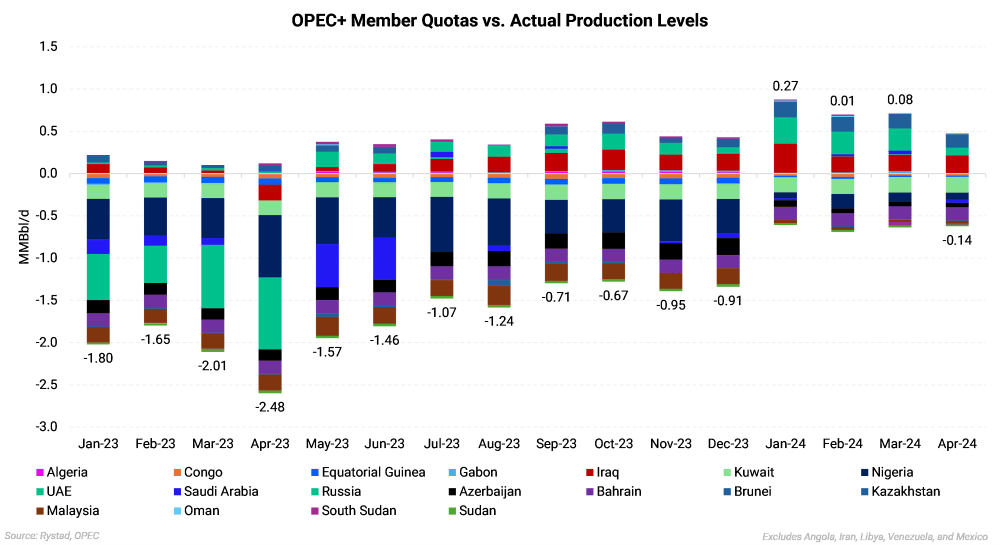
Context: OPEC+ announced a new “Maximum Sustainable Capacity” quota system that kicks in 2027 — encouraging top producers to invest heavily to secure quota capacity. (Reuters)
Why it matters: This could tighten supply, drive future oil-price spikes, and reshape energy cost assumptions globally — affecting manufacturing, transport, and inflation outlooks.
Wealthbuilder Move: If your business is energy-intensive or relies on global supply chains, start recalibrating cost and pricing models for potential energy-cost volatility.
5. Thailand Launches $8.3B SME Stimulus to Boost Domestic Economy

Context: The Thai government rolled out a massive 267-billion-baht (~US$8.3B) support package for SMEs, including soft loans and loan guarantees, aiming to revive businesses amid tight liquidity. (Reuters)
Why it matters: Stimulus at this scale can revive local demand, spur business activity and unlock opportunities — especially for investors and companies looking at emerging-market growth.
Wealthbuilder Move: If you invest or plan to expand in Southeast Asia, re-examine your emerging-market exposure and consider opportunities in countries offering fiscal support to SMEs.
6. Weak Oil & Gulf Markets Drag Emerging-Market Sentiment

Context: Gulf markets opened muted today as softer oil prices weighed on energy-linked stocks while investors waited for fresh U.S. economic data. (Reuters)
Why it matters: For businesses and investors with exposure to energy or emerging markets in the Middle East, softness in oil and local markets can ripple through valuations and funding options.
Wealthbuilder Move: If you’re exposed to Gulf-region assets, assess your currency and revenue risk — consider hedging or scaling back exposure until energy markets stabilize.
7. U.S. Futures Flat — Markets Take a Breather Ahead of Fed Moves

Context: U.S. stock futures held flat as markets digested the recent bond/crypto sell-off and braced for key policy signals from the Federal Reserve. (Reuters)
Why it matters: Stability—but also uncertainty. That means growth-oriented companies need to stay lean and flexible, and investors should be selective on risk.
Wealthbuilder Move: Avoid rash decisions on market dips; use this lull to shore up operational resilience or re-balance your portfolio for volatility.
8. Global Growth Outlook Up — But Tariff & Debt Risks Still Hang Over Head

Context: The Organisation for Economic Co‑operation and Development (OECD) nudged up its global-growth forecast — but warned that trade friction and debt-laden energy prices could still derail the rebound. (Reuters)
Why it matters: Mixed signals mean opportunity exists — but only if you’re disciplined and strategic. Growth isn’t guaranteed; caution and flexibility are essentials.
Wealthbuilder Move: Double-down on diversified, cash-flow-positive plays. Avoid speculative bets solely based on macro optimism.
9. Tech & Media M&A Buzz: Big Money Eyes Big Players (Again)

Context: Warner Bros Discovery (WBD) got a fresh, mostly-cash acquisition offer from Netflix — a sign consolidation, not destruction, may define media/tech 2026. (Reuters)
Why it matters: M&A activity in media and tech signals strategic repositioning — for founders and investors, it means exits, valuations and competition dynamics may shift sharply.
Wealthbuilder Move: If you’re in media or digital content, sharpen your pitch: either be acquisition-ready or ensure you’re differentiated enough to survive consolidation.
10. Yield Pressure Hits Gold — Precious Metals Take a Breather

Context: Gold prices slipped as U.S. Treasury yields rose and investors locked in recent gains — a reminder that “safe-haven” isn’t always stable. (Reuters)
Why it matters: If you’re using gold or metals as a hedge, drops like this can sting. For asset allocators or export/revenue-sensitive firms, it changes hedging assumptions.
Wealthbuilder Move: Re-evaluate your hedging or commodity-hedge strategies. If you hold exposure to precious metals, consider trimming or diversifying to reduce volatility.
✅ Final Take
Today’s vibe: Markets shaking off excesses, but not boarding a rocket — yet. Between bond jitters, geopolitical energy moves, and mixed macro signals, the risk-vs-reward balance is narrower than it’s been. Smart builders and investors will slash leverage, preserve optionality, and stay diversified.
Comments are closed